

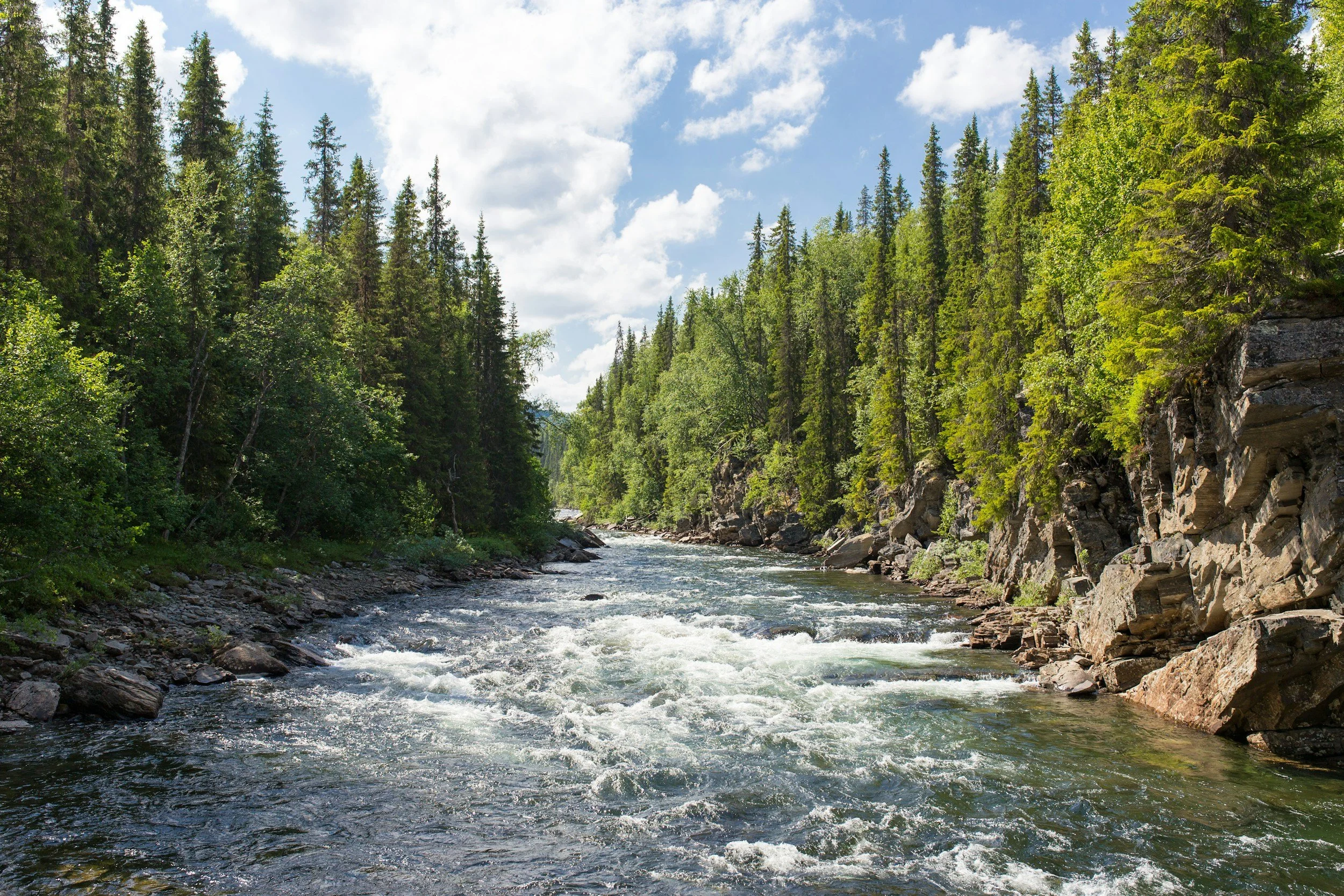
The Natural Streambed and Land Preservation Act, also known as "The 310 Law" is administered by the Conservation Districts
The purpose of the 310 law is to keep rivers and streams in/near their natural or existing conditions, to minimize sedimentation, and to recognize beneficial uses. Individuals or corporations proposing construction in or near a perennial stream must apply for a 310 permit through the local conservation district.
The statute defines “project” as a “physical alteration or modification that results in a change in the state of a natural, perennial-flowing stream or river, its bed, or its immediate banks.
Always check with your conservation district before doing anything that may affect a stream in order to avoid an unnecessary violation. 310 permits are free.
Contact Jake Atkinson, HPCD Resource Technician, for all 310 related questions.
Email: hpcdtech@cascadecd.com
Call or text: 406-403-2644
310 EMERGENCIES
Water resources are dynamic and diverse, and so are the situations and work that can take place in streams or rivers. Unexpected situations can and will happen and you may be forced to take action.
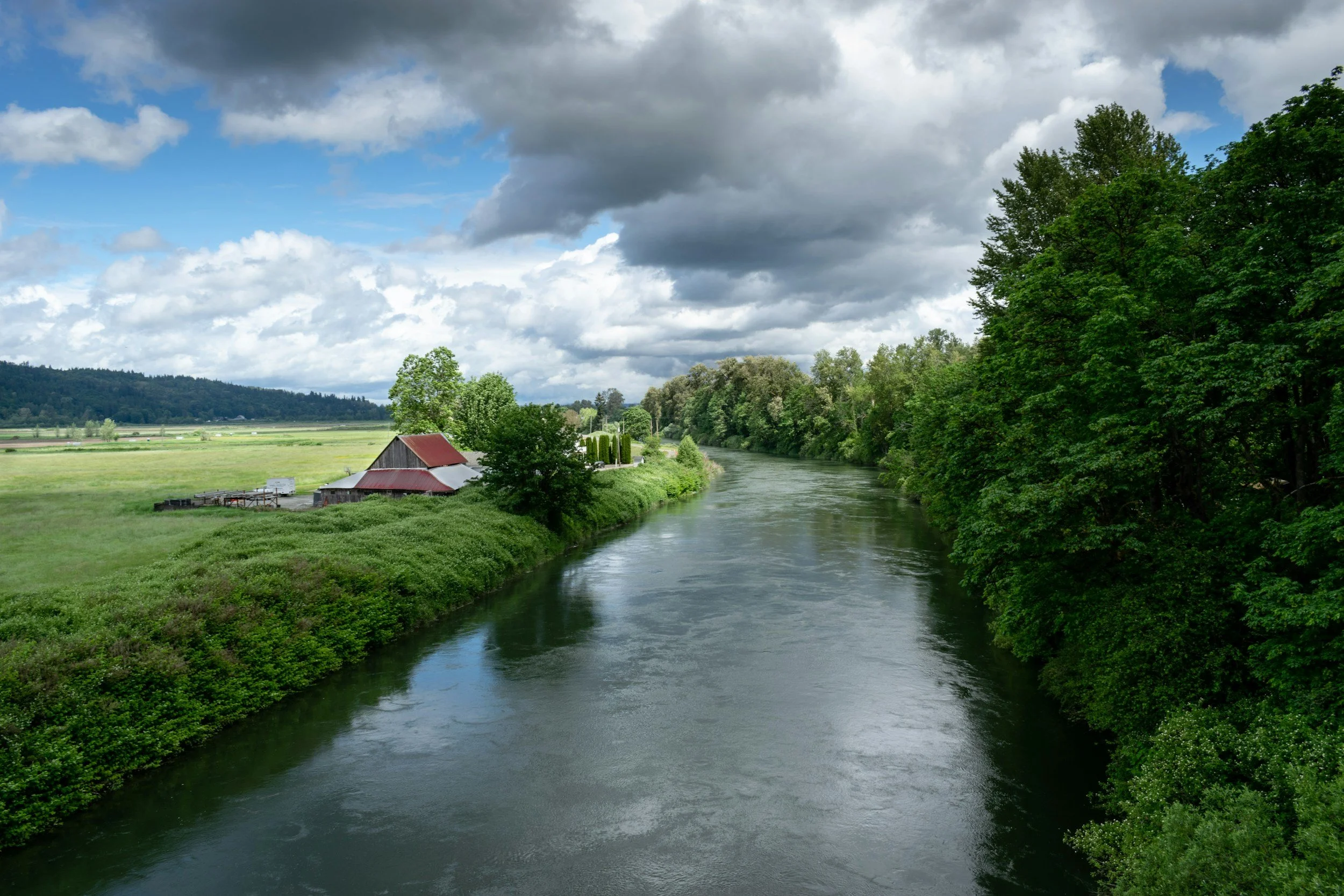
What if you have a stream related emergency?
The 310 Law contains a provision to handle actions necessary to safeguard life or property, including growing crops, during emergencies. The Emergency 310 form is available on our website here or from the HPCD office. We encourage you to notify us immediately in an emergency situation. Our supervisors can help you make the best decisions for you and for our water resources. If you must take emergency action, notify the district in writing within 15 days of the action taken explaining what was done and why. The emergency action will be reviewed by the district, which will decide whether the action was appropriate, must be modified, or must be removed and/or replaced.
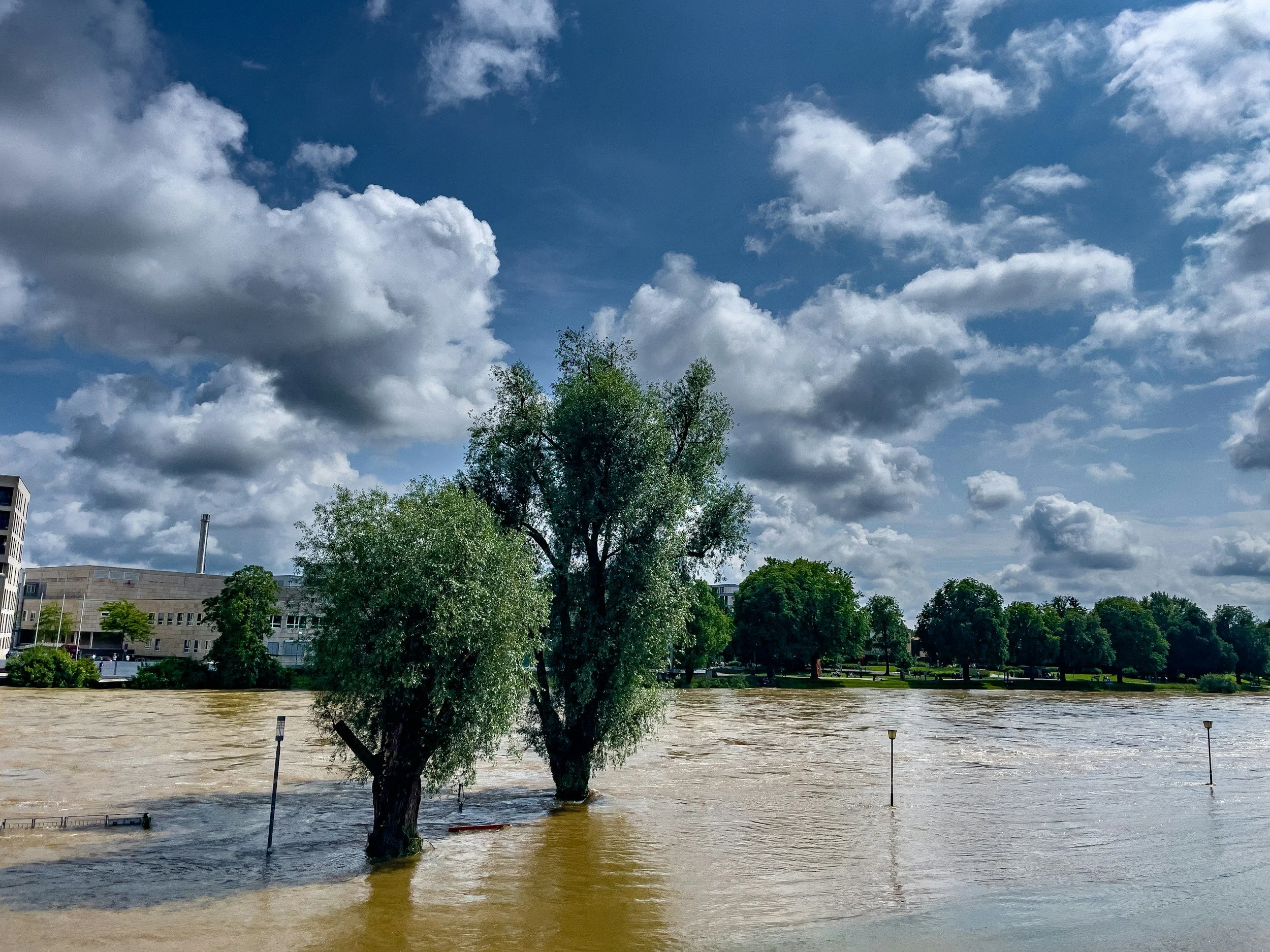
What if you started a project without a permit?

It is a misdemeanor to initiate a project without a permit; to conduct activities outside the scope of the permit, to violate emergency procedures, or to use prohibited materials in a project. Upon conviction of a misdemeanor, a person may be punished by a fine up to $500 or by a civil penalty not to exceed $500 per day for each day the person continues to alter the stream. In addition, at the discretion of the court, the person may be required to restore the damaged stream as recommended by the district to as near its prior condition as possible.
We encourage those completing projects in or near a stream or river to always consult with the conservation district to avoid fines and civil penalties. It is always a good idea to contact us out about your project if you are unsure if it would require 310 permitting.