High Plains Conservation District
Established 1946


What is a conservation district?
High Plains Conservation District is one of 58 Conservation Districts in Montana that provides local citizens with opportunities to have a hand in natural resource planning and management in their area.
Historically, Conservation Districts grew from public concern for the condition of our natural resources going back to the 1930s. In 1935, the US Congress declared soil and water conservation to be national policy, with the passage of Public Law 46. At the state level, Montana Conservation District Law (MCA 76 chapter 15) was enacted to allow land users to form soil and water conservation districts.

How Cascade County Came to Be
In the 1860’s, the first recorded permanent settlers were located in the Chestnut Valley near the present town of Cascade. On June 30, 1867, Fort Shaw was established on the Sun River west of the “great falls of the Missouri” to protect travelers between Fort Benton and Helena. Fort Shaw was originally freighted by wagons to Helena. The post was an important stopping point, but as more people began to inhabit the area, the need for military protection was significantly reduced, so in 1891 the garrison was abandoned.
In 1881, the townsite of Great Falls was surveyed by Paris Gibson, and the city incorporated in 1888. In September of 1887, Cascade County was organized from parts of Chouteau, Lewis and Clark and Meagher counties. Agriculture in the District was entirely made up of ranching before the advent of the railroad in 1887. By 1918, most of the arable land had been developed into farms, and continuous cropping was the accepted method of farming. In the 1920’s, farmers began to adopt alternate crop-fallow as a more reliable system of farming.
What Ultimately Led to The Creation of Conservation Districts
By the 1930s, the mounting problems of soil erosion, floods, and dust storms resulted in Congress passing Public Law 46 in 1935. This law declared soil and water conservation and wise land use a national policy. However, there was a missing link in making the wheels of this policy turn, so in 1937 the President wrote governors of the states recommending legislation allowing landowners to form soil and water conservation districts. The President’s recommendations were followed through with 2950 conservation districts representing all 50 states, the Virgin Islands and Puerto Rico.

Birth of the Cascade County Conservation District
In 1944, the Sun River Soil Conservation District was created. It covered the irrigated area along the Sun River, including parts of Teton and Lewis & Clark Counties as well as a portion of Cascade County. And, in 1946, to create an entity that would serve all of Cascade County, the Cascade Soil and Water Conservation District was formed.
George Grosskopf of Armington and Bowen Conrad of Cascade were the first two supervisors appointed by the State Soil Conservation Committee. Harold Shane, Ted Pettyjohn and A.P. Andersen were later elected to serve the newly formed district. Andersen served as the first chairman, and these same supervisors served until 1964.
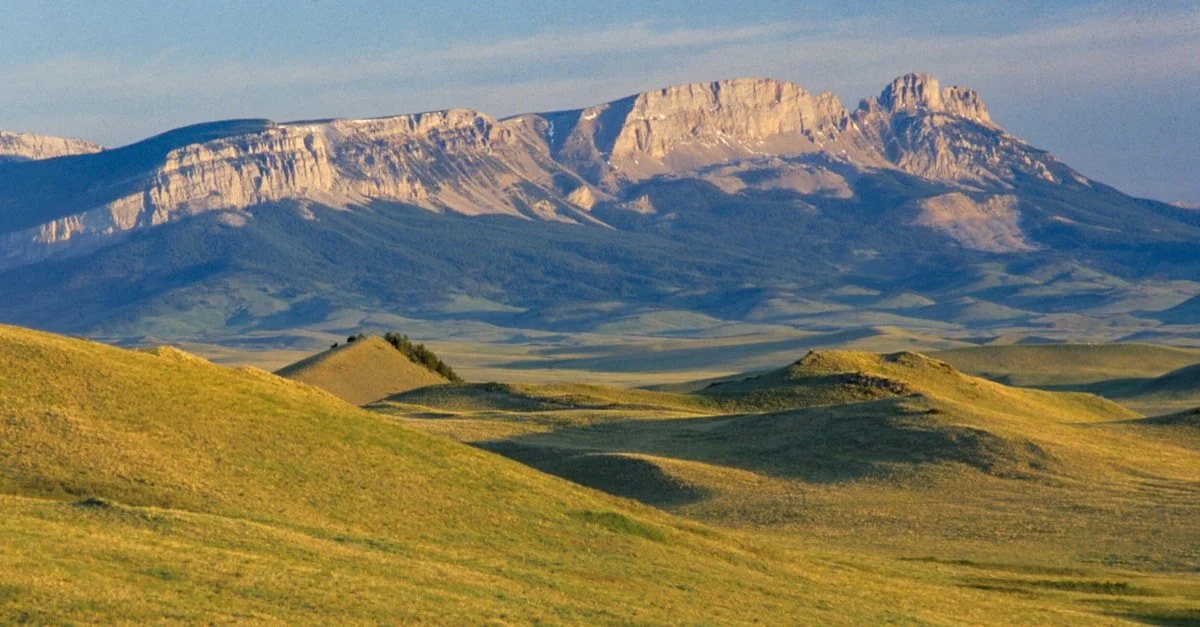
In 1960, the Cascade County Soil and Water Conservation District absorbed the Sun River Soil Conservation District. In 1971, the District adopted a new name, the Cascade County Conservation District. The District is located at the southern apex of the Golden Triangle area of Montana in Great Falls. It is bordered on the south by the Big Belt and Little Belt Mountains and on the east by the Highwood Mountains. The District covers an area of 1,701,760 acres, extending 66 miles wide, east to west, and 66 miles long, north to south.

Change to High Plains Conservation District
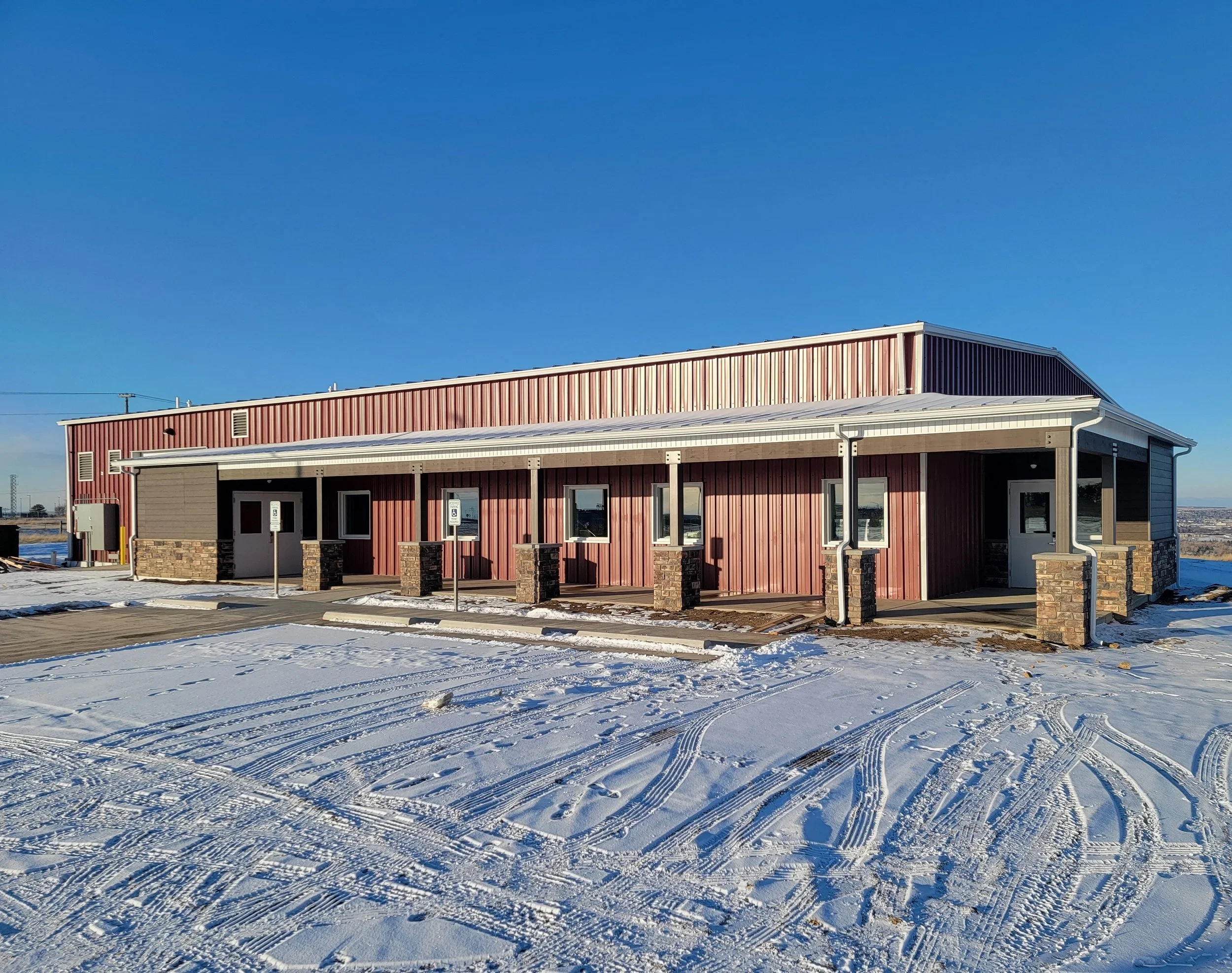
In 2021, we celebrated 75 years of service. CCD moved to a new permanent home on top of Gore Hill in Great Falls in early 2024 and officially changed their name once again to High Plains Conservation District. This change was made to further avoid confusion with county government and promote a broader vision. Today, HPCD looks beyond county lines to best serve constituents with a full watershed approach to natural resource conservation, working lands and overall healthy landscapes.